Stop Matching, Start Mixing: The Texture Stack That Changes Everything
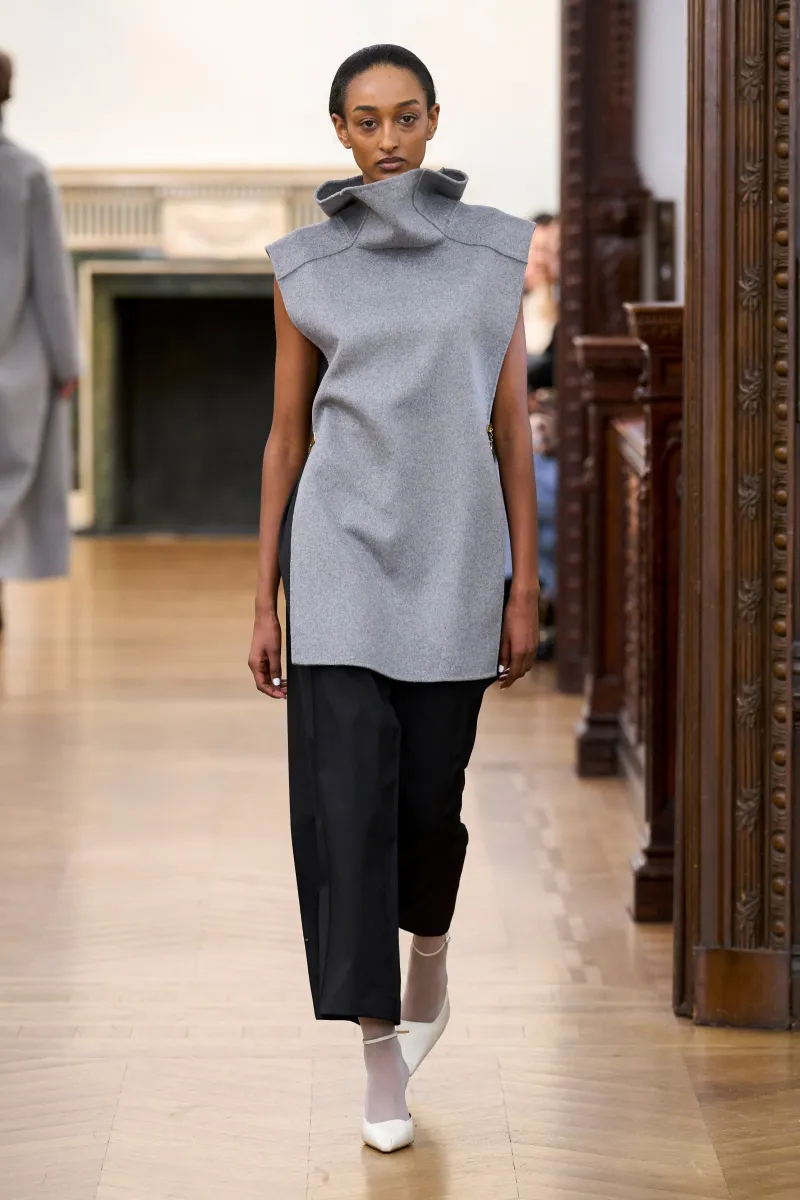
Photo: fashion flat lay silk wool linen fabric textures layered outfit styling, via hips.hearstapps.com
Here's a styling truth that doesn't get nearly enough airtime: two people can wear the exact same color palette and still end up with wildly different results. One outfit looks thoughtful and polished. The other looks like it just happened. The difference? Almost always comes down to texture.
We spend so much energy debating whether navy and black actually go together (they do, for the record) that we completely overlook the dimension that does the heavy lifting in any great layered look. Fabric. The way materials interact when they're stacked against each other — that's where real style lives.
Why Color Coordination Is Only Half the Equation
Don't get it twisted — color still matters. But color coordination alone produces flat outfits. Think about a monochromatic stack in all beige: a cotton tee, a linen blazer, and khaki trousers. On paper, it's cohesive. In practice, it can read as one big beige blur.
Now swap that cotton tee for a silk camisole tucked in at the waist. Keep the linen blazer. Add a cashmere knit draped over the shoulders. Same color story — completely different visual result. The silk catches light differently than the linen. The cashmere adds a softness that contrasts against the structured blazer. Suddenly the eye has somewhere to travel. The outfit has depth.
That depth is what texture stacking creates. It's the styling equivalent of adding dimension to a flat surface.
The Texture Spectrum: Understanding Your Fabrics
Before you can stack smartly, it helps to understand where different fabrics fall on the texture spectrum. Think of it as a sliding scale from smooth and refined to rough and relaxed.
On the smooth end: silk, satin, modal, and fine jersey. These fabrics reflect light, drape fluidly, and read as elevated even in casual contexts.
In the middle: cotton poplin, chambray, ponte, and lightweight wool. These are your workhorses — they hold structure, breathe well, and play nicely with almost everything.
On the textured end: bouclé, chunky knits, raw denim, tweed, and heavily woven linen. These fabrics absorb light, add visual weight, and bring a grounded, tactile quality to any stack.
The magic happens when you deliberately pull from different points on this spectrum in a single outfit.
The Core Principle: Contrast and Complement
Texture stacking isn't about throwing random fabrics together and hoping for the best. There are two reliable strategies that work every time.
Contrast stacking means pairing materials that are visually and tactilely opposite. A silk blouse under a chunky wool cardigan. A crisp Oxford-cloth button-down layered beneath a soft suede jacket. A sleek satin slip dress worn over a fitted ribbed turtleneck. The contrast creates tension in the best way — your eye registers the difference between the fabrics, which makes the whole outfit more interesting to look at.
Complementary stacking means choosing fabrics that share a quality — maybe they're both matte, both natural-fiber, or both lightweight — but differ in weave or finish. Linen and cotton are a great example. Both are breathable, both are casual-leaning, but linen's slubby texture against cotton's smoother weave creates just enough variation to feel intentional without feeling jarring.
As a general rule: use contrast when you want drama, and complement when you want harmony.
Fabric Pairings That Actually Work
If you're new to thinking about texture this deliberately, here are some combinations that reliably deliver.
Silk + Denim. This is one of the most American pairings in fashion — the luxe against the utilitarian. A fluid silk blouse tucked into straight-leg jeans creates instant balance. The jeans ground the silk; the silk elevates the jeans. Neither one outweighs the other.
Chunky Knit + Leather (or Faux Leather). The softness of a cable-knit sweater against the smooth, structured surface of a leather skirt or pants is a textural conversation that always works. It's cozy and sharp at the same time.
Linen + Cotton Knit. For warmer months, this pairing feels effortlessly put-together. An oversized linen shirt layered over a fitted cotton rib tank gives you relaxed structure — laid-back but clearly considered.
Velvet + Wool Crepe. This is a colder-weather stack that reads very elevated. Velvet's plush surface against the matte, slightly rough quality of wool crepe creates a richness that feels almost editorial.
Satin + Tweed. A satin cami or blouse peeking out from a tweed jacket is a classic for a reason. The contrast between the two fabrics is stark enough to be interesting, but both carry enough formality to feel cohesive.
The One-Texture-at-a-Time Rule (And When to Break It)
When you're building a stack, try limiting yourself to one statement texture per outfit. If you're wearing a heavily textured bouclé jacket, let the pieces underneath be smoother and quieter. If your statement is a silk slip skirt, the layers above it can afford to be more casual — a plain cotton tee, a relaxed blazer.
That said, rules exist to be broken by people who understand them. Advanced texture stackers can absolutely layer multiple statement fabrics — the key is keeping the silhouette clean and the color palette controlled. If you're mixing velvet, silk, and tweed in one outfit, a tight color range keeps it from tipping into chaos.
A Quick-Start Texture Audit
Pull out five pieces you wear regularly and lay them on your bed. Look at them as fabrics first, not outfits. Can you identify where each one falls on the texture spectrum? Now try stacking two of them that you wouldn't normally pair together — specifically because they're at different ends of that spectrum.
Chances are, you already own the pieces for a better outfit. You just haven't thought about them in terms of texture yet.
That's the shift. Once you start seeing your wardrobe as a collection of fabrics rather than just a collection of clothes, layering stops being about what matches and starts being about what works. And that's when your stacks start getting genuinely good.